 Soundly
Short version: most children say a first recognisable word somewhere around their first birthday, and by about two and a half roughly three quarters have around fifty of them.
This is a summary of published milestones, not advice. Ranges are wide and normal. If you are worried about your own child, the person to ask is your health visitor, GP or a speech and language therapist — not an article.
The four stages
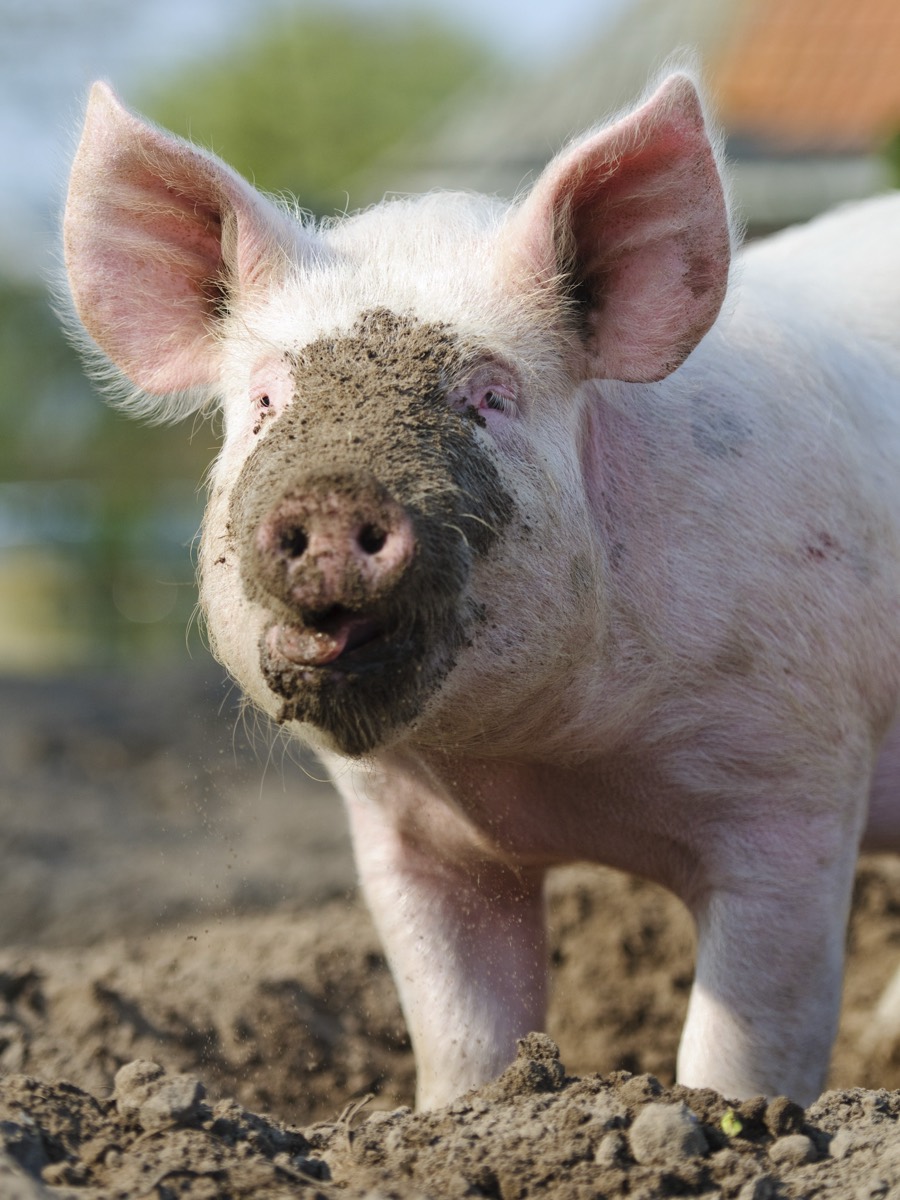

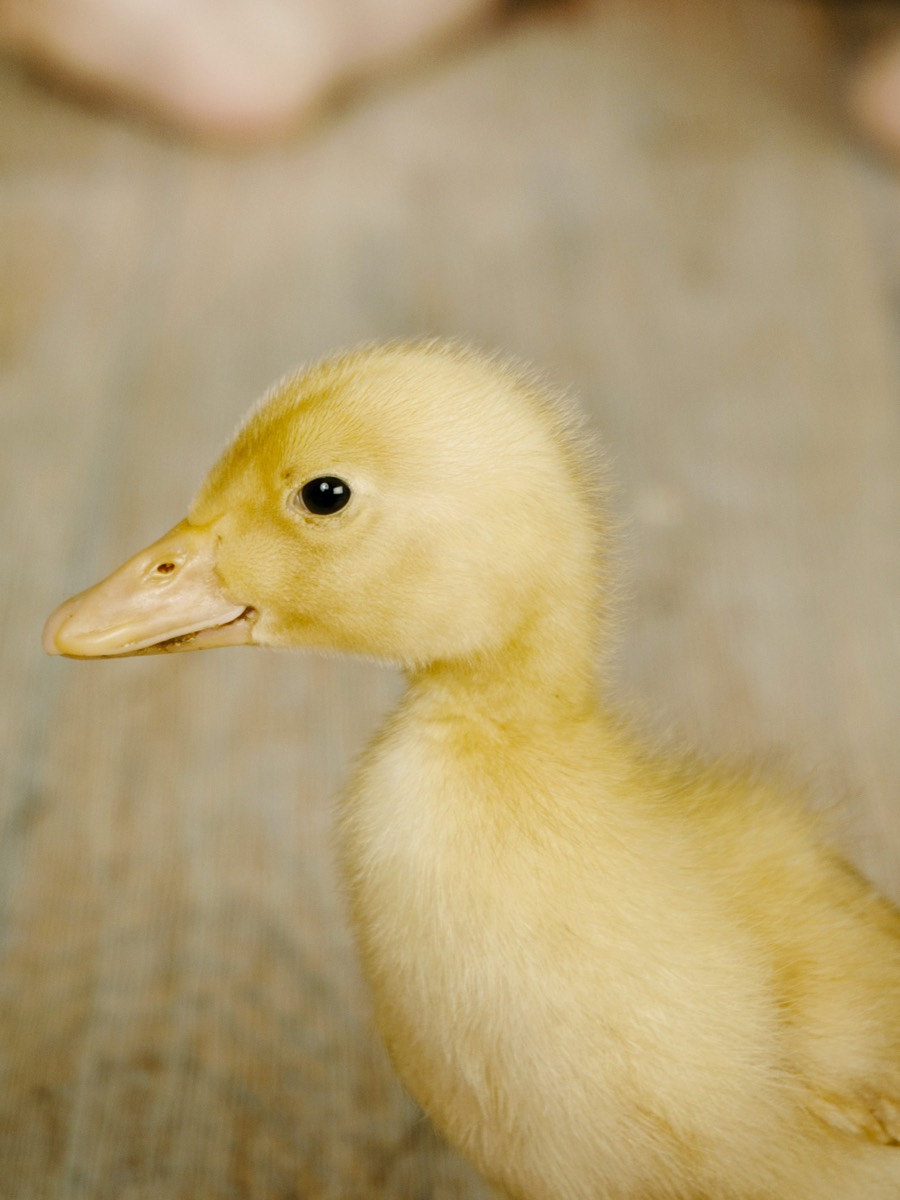

The four bands Soundly is built around. They are not round numbers — they fall on the seams in the NIDCD's own groupings.
0–2 · sound and picture, no text
The NIDCD's 1–2 year milestones are "acquires new words on a regular basis" and "puts two words together".1 The CDC puts it at roughly fifty words for about three quarters of children by 30 months.2 There is nothing to read yet, and nothing needs reading.
2–4 · the naming explosion
By three, the NIDCD milestone is "has a word for almost everything"; by four, "uses sentences with four or more words". This is the stretch people mean by the naming explosion, and it is when hearing the name of a thing matters most.
4–6 · print awareness, and the language window
Letter recognition consolidates — by four, around 60% of children know more than half the uppercase letters.3 It is also the last comfortable moment to start a second language: beginning before roughly age seven is associated with native-like pronunciation, and younger learners outperform older ones on phonology in particular.4
Honest caveat, because the internet usually skips it: the critical-period literature is not unanimous. Some studies find no clear advantage from starting age, and the effect is far easier to demonstrate for accent than for vocabulary or grammar. The true claim is about ease and pronunciation, not about fluency being impossible later.
6+ · reading it themselves
Children typically decode simple words around five and reach fluency at six to seven.3
What you can do at each stage
At every stage the same move works: put the word and the thing together, out loud, more than once, and vary the picture rather than the word.
Name things out loud, more than you think is necessary. Use several different pictures of the same thing rather than one picture repeatedly — toddlers shown varied examples learn more words and generalise better.5 Prefer photographs to cartoons when the goal is the real world. And do not drill: a randomised trial of a flashcard programme over seven months found no reading benefit at all.6
Soundly turns exactly this on in stages — pictures and sounds for the youngest, then the spoken name, then the written word, then a second language — and asks your child's age once so it sets itself up. Hear the free sounds.
Hear all 361 of them
Soundly is 360 real photographs and 361 real recordings across six worlds, in 19 languages, read by a human voice actor. The twelve farm animals are free.


References
- Speech and Language Developmental Milestones — NIDCD, National Institutes of Health.
- Milestones by 2 Years and by 3 Years — CDC, Learn the Signs. Act Early.
- Typical reading development — Reading Rockets.
- Hartshorne, J. K., et al. A critical period for second language acquisition: evidence from 2/3 million English speakers, Cognition. See also Bilingualism: Language and Cognition, Cambridge.
- Perry, L. K., et al. (2010). Learn locally, think globally.
- Neuman, S. B., et al. (2014). Can babies learn to read? Journal of Educational Psychology. Summary.