 Soundly
Most pages that answer this give you a spelling — moo, oink, baa. A spelling is a fact about English. It is not what a cow sounds like, and a two-year-old cannot learn an animal from it.
So here are the recordings. Tap any of them.
All twelve are real recordings from the Soundly app, playing here in the browser. Nothing to install, nothing to sign up for.
Why the sound matters more than the spelling
A child learning "cow" needs the word attached to the thing. The closer the material is to the real animal, the better that attachment holds: toddlers carry a new word from a picture out into the real world far more reliably when the picture is a photograph than when it is a cartoon.1 There is a whole piece on that. The same logic applies to the noise — a real recording is simply closer to the animal than "moo" is.
Use more than one of each
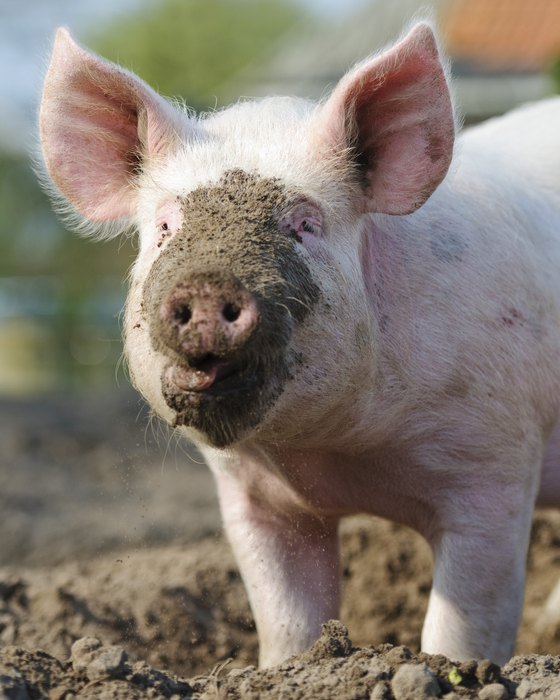
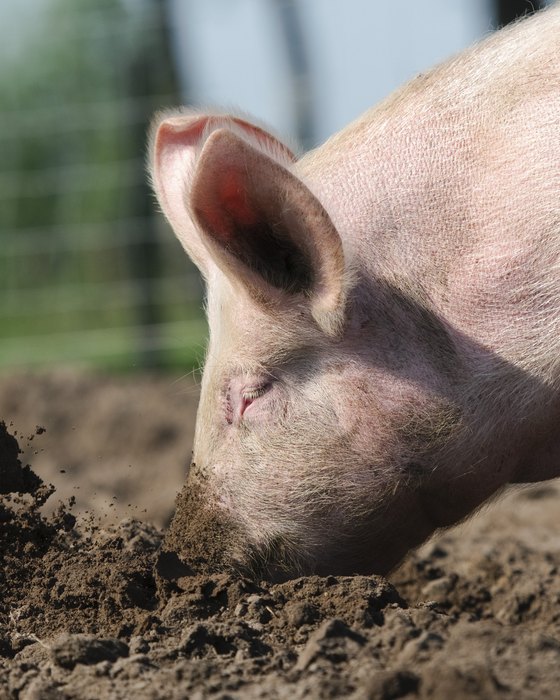
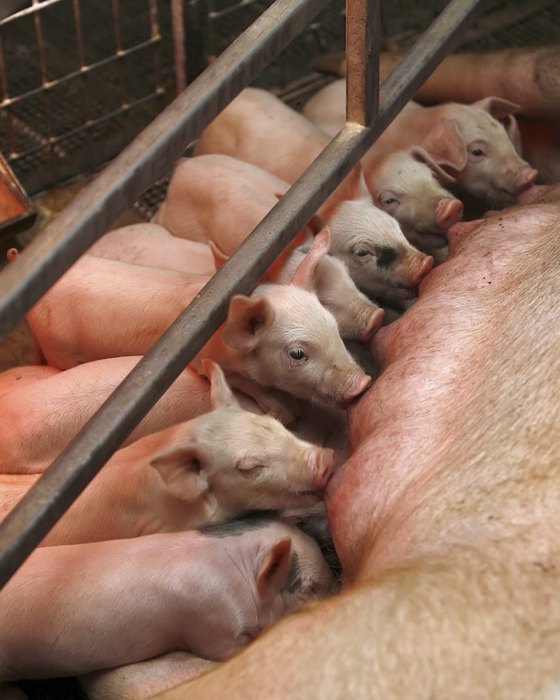
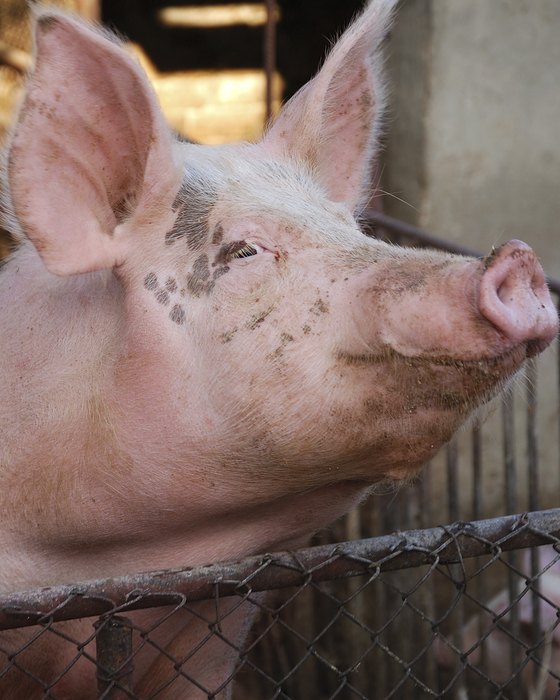
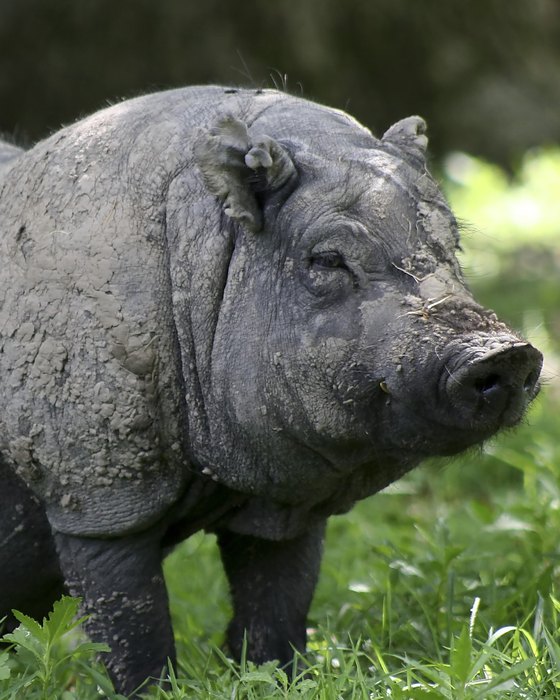
Five pigs. A child shown one pig learns that pig; a child shown all five has to work out what they share — and what they share is the word.
Perry and colleagues taught 18-month-olds names for new categories over nine weekly visits. The group shown varied examples learned more, and generalised better to words they had never been taught.2 It is the single most useful thing to know when you are naming things with a small child: change the picture, keep the word.
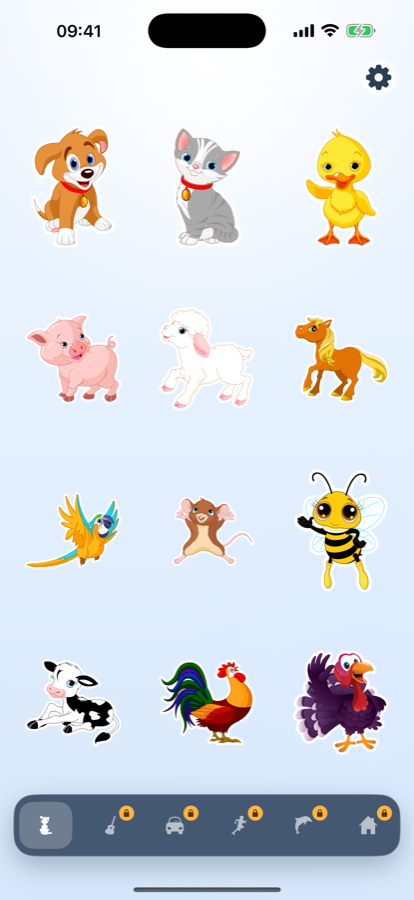
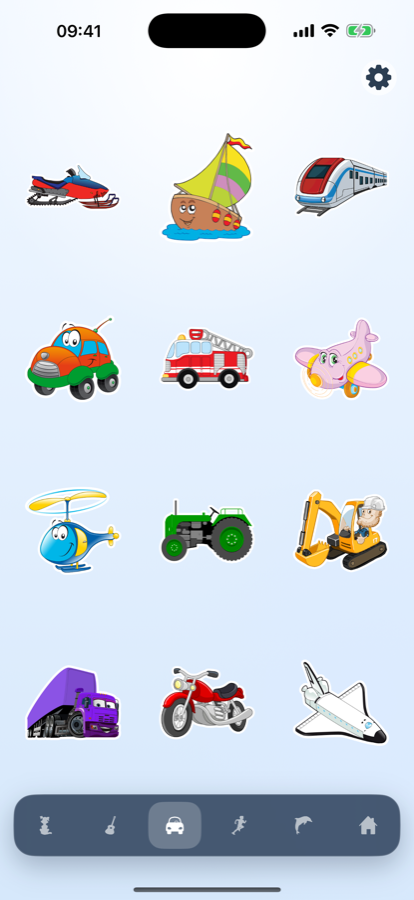
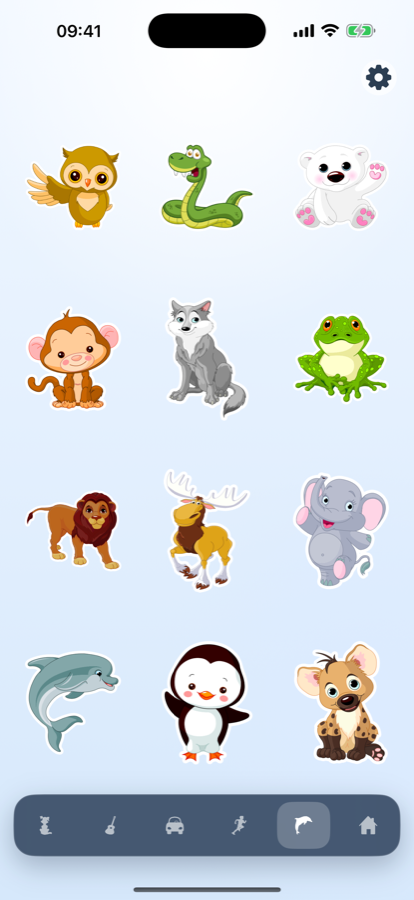
Three of the six worlds, as they actually look. Twelve things in each, five photographs and five recordings behind every one.
Each one has its own page
Every animal above has a page with the full-size photograph, the recording, and the word in 19 languages — what sound does a cow make, a pig, a horse, a rooster, and the rest at all twelve farm sounds.
Hear all 361 of them
Soundly is 360 real photographs and 361 real recordings across six worlds, in 19 languages, read by a human voice actor. The twelve farm animals are free.


References
- Ganea, P. A., Pickard, M. B., & DeLoache, J. S. (2008). Transfer between picture books and the real world by very young children. PDF; Frontiers in Psychology (2018).
- Perry, L. K., Samuelson, L. K., Malloy, L. M., & Schiffer, R. N. (2010). Learn locally, think globally. Discussion.