 Soundly
Picture cards are fine. Drilling with them is the part that was tested and failed.
If you want the full evidence, it is in are flashcards good for toddlers. This is the practical version.
1. Use several pictures per word, not one
This is the highest-value change and the least obvious.
Perry and colleagues taught 18-month-olds names for new categories across nine weekly visits. One group saw three very similar examples of each thing; the other saw three quite different ones. The varied group learned more — and generalised better to new words they had never been taught.1
Shown one dog repeatedly, a child can attach "dog" to that shape. Shown a greyhound, a sheepdog and a puppy, they have to work out what the three share, and that is the word. Related work found 30-month-olds retained new words only after meeting several exemplars.2


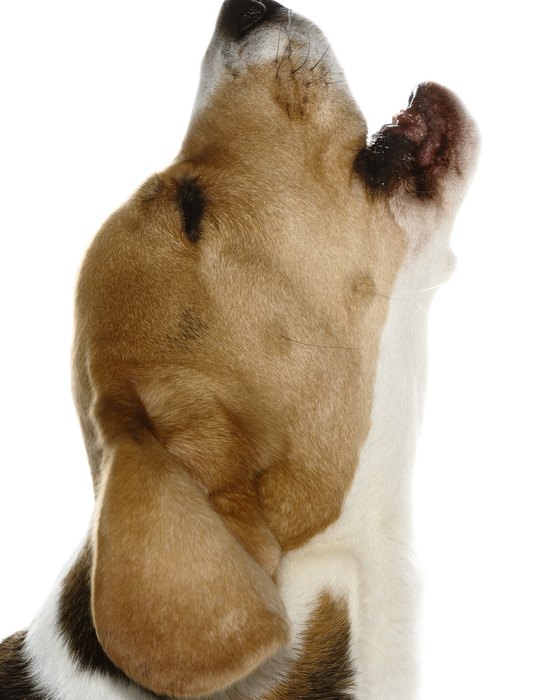

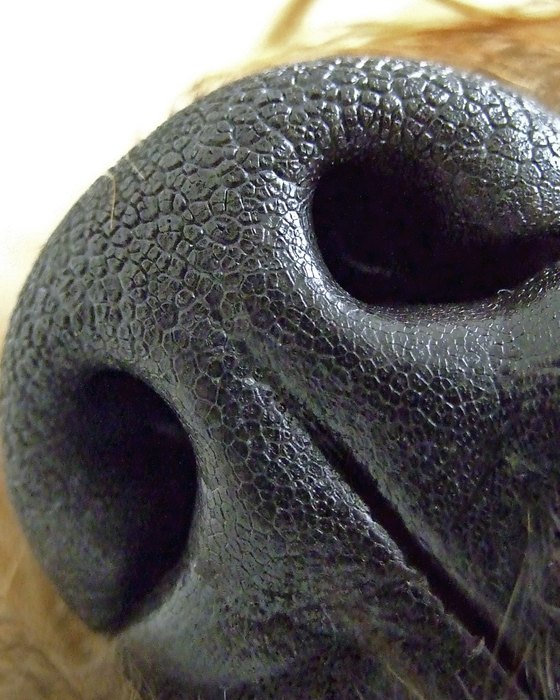
Five dogs teach the word “dog”. One dog, five times, teaches that dog. Every one of these is a dog and almost nothing about them looks alike — which is exactly the work a child has to do to end up with the word rather than the picture.
2. Talk, do not test
In every study above, an adult was naming things with a child. None of them involved a child alone with a stack of cards. "Where's the pig?" asked twenty times is a test. "Look at his nose, it's all muddy" is a conversation, and the conversation is the thing that works.
3. Let them lead, and stop when they stop
Two minutes of interest beats ten minutes of compliance. A toddler turning away is information, not defiance.
4. Prefer photographs
Transfer from a picture to the real world is stronger the more the picture resembles the thing. At 15 months the gap is stark: children carried the word across from photographs and realistic drawings, and not from cartoons.3 There is a whole piece on this.
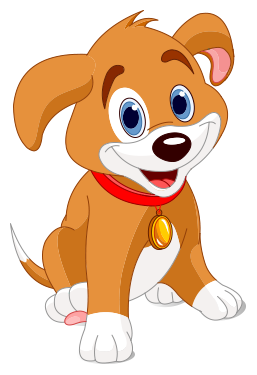
At 15 months, a word learned from the picture on the right transferred to a real object. From the kind of picture on the left, it did not.
5. Expect vocabulary, not reading
The reading claim has been tested. A randomised trial of 117 infants over seven months found no difference on 13 of 14 measures, and the US Federal Trade Commission acted over the advertising.4 Cards can help a child learn what things are called. They will not teach a baby to read.
What that adds up to
Several different pictures of each thing, named out loud by someone who is enjoying it, in short bursts, with realistic images, aiming at vocabulary rather than reading. The cardboard was never the active ingredient.
Hear all 361 of them
Soundly is 360 real photographs and 361 real recordings across six worlds, in 19 languages, read by a human voice actor. The twelve farm animals are free.


References
- Perry, L. K., Samuelson, L. K., Malloy, L. M., & Schiffer, R. N. (2010). Learn locally, think globally: exemplar variability supports higher-order generalization and word learning. Discussion.
- Twomey, K. E., Ranson, S. L., & Horst, J. S. (2014). That's more like it: multiple exemplars facilitate word learning. PDF.
- Developmental factors influencing children's learning from picture books, Frontiers in Psychology (2018); Ganea et al. (2008), BPS summary.
- Neuman, S. B., Kaefer, T., Pinkham, A., & Strouse, G. (2014). Can babies learn to read? A randomized trial of baby media. Journal of Educational Psychology. Summary; FTC action, All About Advertising Law.