 Soundly
Almost every book, app and flashcard pack made for toddlers uses cartoons. The research on whether a child actually carries what they learn back into the real world points the other way.
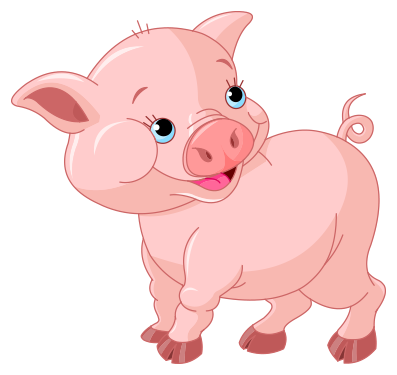
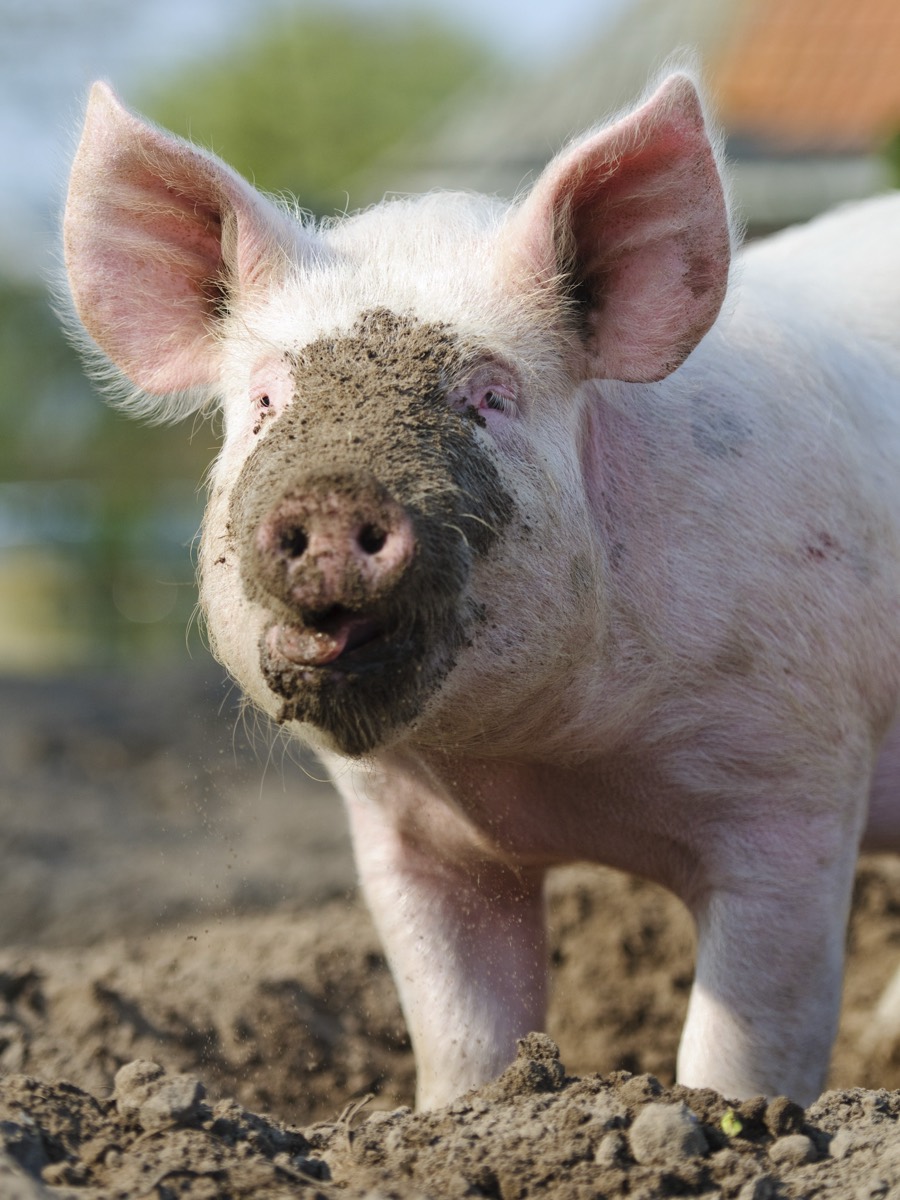
The same pig, twice. The drawing is easy to recognise across a room, which is what makes it a good door. The photograph is the one a child can carry back out into the world — and at 15 months it is the only one of the two that worked.
What a picture has to do
Looking at a picture of a dog is a harder job than it appears. The child has to work out that this flat, still, palm-sized coloured shape stands for a large warm moving animal. Psychologists call the resemblance between the two iconicity, and the less of it there is, the more work the child is doing.
Patricia Ganea and colleagues tested this directly. Toddlers learned a made-up word for an object they had only seen in a picture book, then had to pick that object out of a pair of real ones. They could do it — but how well depended on the picture. Photographs and realistic drawings produced better transfer than cartoons.1
The younger the child, the more it matters
This is the finding worth knowing, because it runs exactly opposite to how books get designed.
A 2018 review reports that 18-month-olds transferred the word in all three conditions — photograph, realistic drawing and cartoon. 15-month-olds managed it only from the photograph and the drawing. 2
So the cartoon is survivable for an older toddler, and a wall for a younger one. Yet the younger the audience, the more cartoonish we tend to make things — rounder, simpler, with a face drawn on. That instinct is about what the adult finds charming, and it costs the youngest children the most.
The same pattern shows up beyond word learning. Simcock and DeLoache found children were better at reproducing an action they had seen in a book when the pictures were realistic, and the recommendation that follows is blunt: if you want a very young child to learn something from a book, choose one with highly realistic pictures.3 Work with autistic children points the same way — greater iconicity helps, which is why picture-based interventions favour colour photographs.4
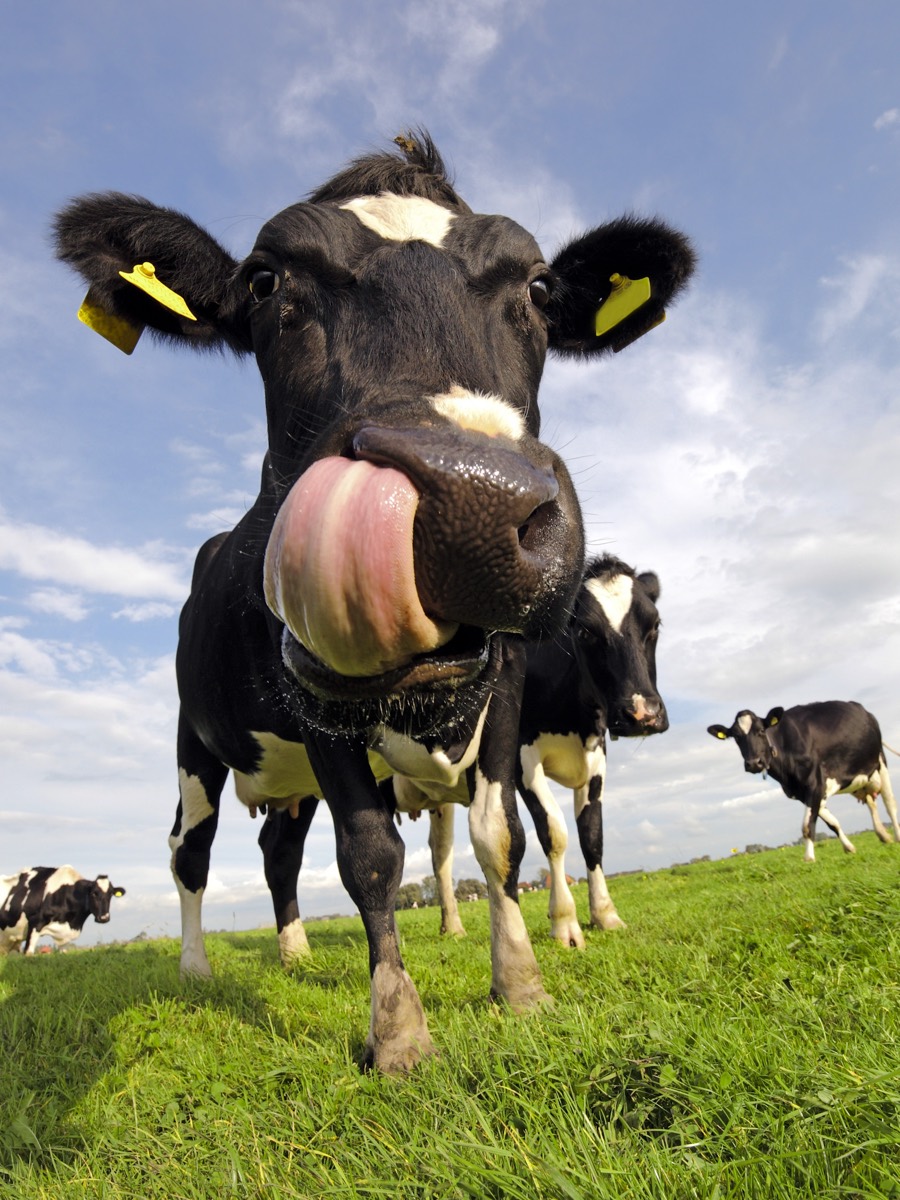
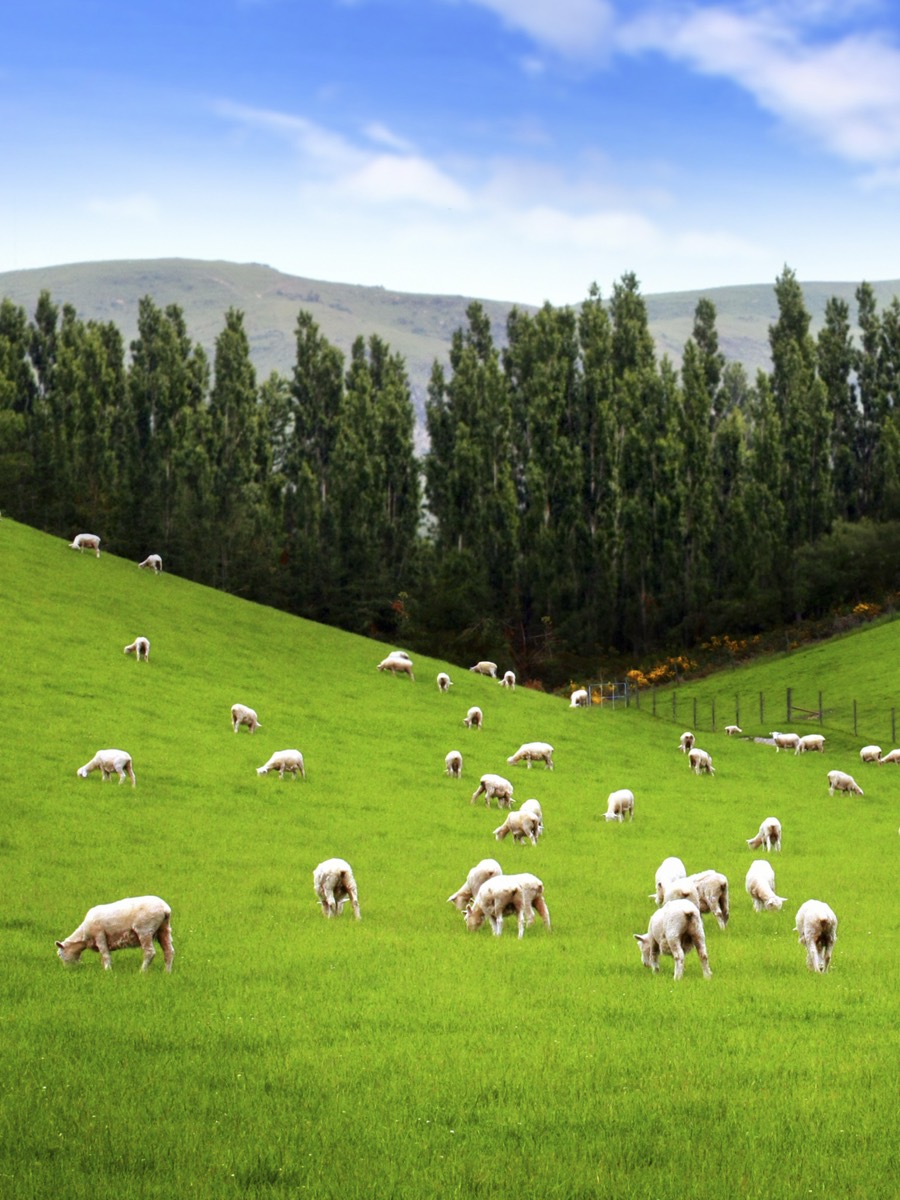
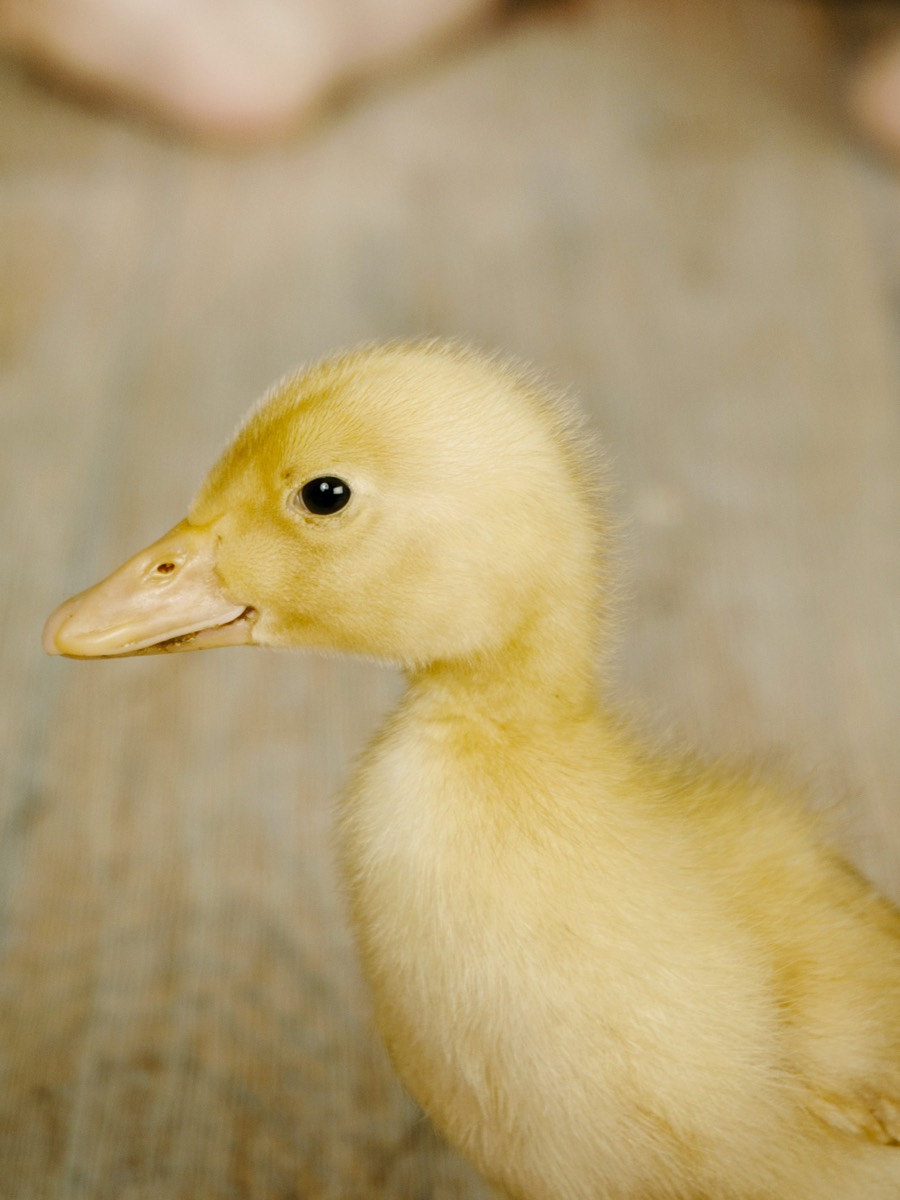
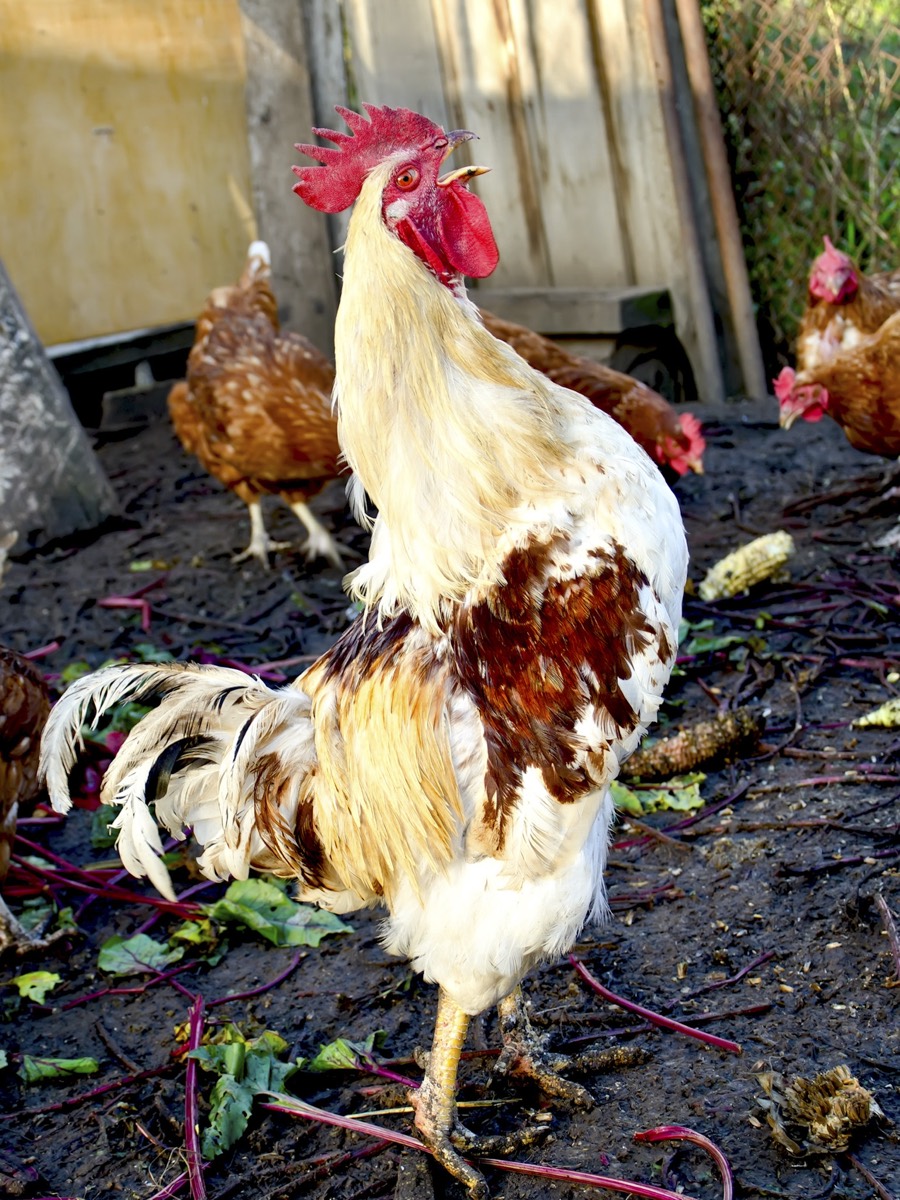
Five of the photographs inside Soundly. Not one of them is an illustration — the point of a photograph is all the mess and detail a drawing leaves out, because that mess is what the real animal has too.
What this does not mean
It does not mean cartoons are bad, or that a child should not have them. A drawing is wonderful at being a symbol — instantly recognisable, bold enough to spot across a room, and a two-year-old reads shape long before colour or size. That is a real strength and it is why Soundly uses a drawing as the thing a child taps.
The research is narrower than "cartoons bad". It says that when the goal is this word attaches to that thing in the world, the picture carrying the word should look like the thing. A cartoon pig with a round face and a smile is a fine door. It is a poor pig.
Worth being straight about the evidence: these are small laboratory studies with toddlers, measuring one narrow task. They are consistent with each other and they replicate, but nobody has shown that a childhood of photographs produces a measurably larger vocabulary.
Where Soundly fits
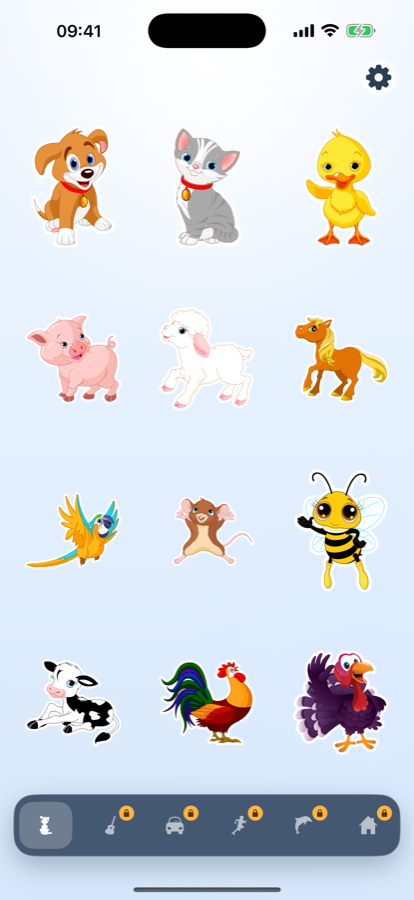
The drawing is the door and the photograph is the room — here is that actually happening. The grid is the real app; the child taps the drawing, and what opens is a photograph of a pig, named aloud.
This is the single decision the whole app is built on, and it is why the app works the way it does: the child taps a drawing, because a drawing is the better door — and what opens is a real photograph, because a photograph is the better room. The cartoon is how they find it. The photograph is what they learn from.
Every one of the 360 pictures inside is a photograph. You can see and hear twelve of them here without installing anything.
Hear all 361 of them
Soundly is 360 real photographs and 361 real recordings across six worlds, in 19 languages, read by a human voice actor. The twelve farm animals are free.


References
- Ganea, P. A., Pickard, M. B., & DeLoache, J. S. (2008). Transfer between picture books and the real world by very young children. PDF. Plain-English summary: BPS Research Digest.
- Developmental factors influencing children's learning from picture books, Frontiers in Psychology (2018).
- Simcock, G., & DeLoache, J. S. (2006), on reenacting actions learned from picture books. Discussed in The Conversation.
- Are children with autism more likely to retain object names when learning from colour photographs or black-and-white cartoons?